Local Anaesthesia Course for Dentists | Hands-On Dental Anaesthesia & Nerve Block Training
Master predictable dental local anaesthesia with MCDI's hands-on Local Anaesthesia Course — covering IANB technique, buccal and lingual blocks, palatal injections, infiltrations for all regions, supplemental techniques, and managing anaesthesia failures with confidence, through real patient practice and expert faculty supervision.
Overview
Highlights of the Institute
- Expert-Led Dental Education by Experienced Faculty
- Hands-on Clinical Dental Training
- Live Patient Treatment Experience
- One-to-One Faculty Mentorship
- Expert MDS Faculty & Clinical Trainers
- Evidence-Based Clinical Dentistry
- Chairside Clinical Demonstrations
- Advanced Dental Equipment & Armamentarium
- Modern Clinical Protocols & Techniques
- Step-by-Step Clinical Learning
- Comprehensive Clinical Case Discussions
- Individual Clinical Guidance
- Practical Skill Development
- Real-Time Treatment Planning
- Infection Control & Sterilization Training
- Digital Dentistry Exposure
- Endodontics, Implantology & Prosthodontics Training
- CBCT & Dental Radiology Learning
- Access to Latest Dental Materials & Technologies
- Hands-on Use of Rotary Endodontics Systems
- Clinical Documentation & Case Record Maintenance
- Interactive Doubt-Clearing Sessions
- Professional Practice Management Tips
- Certificate of Completion
- Flexible Weekday & Weekend Batches
- Career-Oriented Dental Training
- Suitable for BDS, MDS & General Dentists
- Clinical Confidence Building
- Personalized Learning Environment
- Continuous Faculty Support Throughout the Course
Syllabus & Curriculum
11 modules · 66 lessons
- •Trigeminal nerve: ophthalmic, maxillary and mandibular divisions
- •Innervation of maxillary teeth: anterior, middle and posterior superior alveolar nerves
- •Innervation of mandibular teeth and soft tissues: inferior alveolar, lingual, buccal and mental nerves
- •Pterygomandibular space and its surgical landmarks
- •Palatal innervation: greater palatine and nasopalatine nerves
- •Anatomical variations and accessory innervation (mylohyoid, cervical plexus, bifid canal)
- •Mechanism of action and nerve conduction blockade
- •Amide vs ester local anaesthetics
- •Lignocaine (lidocaine), articaine, bupivacaine and mepivacaine compared
- •Vasoconstrictors: adrenaline concentrations and their role
- •Maximum recommended doses and calculation by body weight
- •Onset, depth and duration of anaesthesia; effect of pH and infection
- •Dental syringes: conventional, aspirating and self-aspirating
- •Needle gauge, length selection and cartridge handling
- •Topical anaesthetics and their correct use
- •Painless injection technique: slow deposition and tissue tension
- •Aspiration technique and why it matters
- •Safe needle recapping and sharps disposal
- •Supraperiosteal (local infiltration) injection
- •Posterior superior alveolar (PSA) nerve block
- •Middle and anterior superior alveolar nerve blocks
- •Infraorbital nerve block
- •Greater palatine and nasopalatine nerve blocks
- •Anterior middle superior alveolar (AMSA) and palatal approach blocks
- •Landmarks: coronoid notch, pterygomandibular raphe and occlusal plane
- •Direct and indirect IANB approaches
- •Needle insertion depth, bone contact and deposition
- •Lingual and long buccal nerve blocks
- •Reasons for IANB failure and how to correct them
- •Paediatric modifications of the IANB
- •Gow-Gates mandibular nerve block: landmarks and technique
- •Vazirani-Akinosi closed-mouth block for limited opening
- •Mental and incisive nerve blocks
- •Mandibular buccal infiltration with articaine
- •Choosing the right mandibular block for the clinical situation
- •Managing the hot tooth and irreversible pulpitis
- •Intraligamentary (PDL) injection
- •Intraosseous anaesthesia
- •Intrapulpal injection
- •Intraseptal injection
- •Computer-controlled local anaesthetic delivery overview
- •Buffered local anaesthesia concept
- •Children and paediatric dose calculation
- •Pregnant and lactating patients
- •Patients with cardiovascular disease and hypertension
- •Elderly and medically compromised patients
- •Patients on anticoagulants and bleeding risk with blocks
- •Anxious patients and needle phobia
- •Local complications: needle breakage, haematoma, trismus and facial nerve palsy
- •Persistent paraesthesia and nerve injury
- •Soft tissue injury after anaesthesia in children
- •Systemic complications: syncope, toxicity and overdose
- •Allergy and anaphylaxis recognition
- •Emergency drugs and basic life support in the dental clinic
- •Live demonstration of maxillary infiltration and palatal injections
- •Live demonstration of the inferior alveolar nerve block
- •Supervised practice on models and simulators
- •Syringe loading, aspiration and safe handling drills
- •Troubleshooting failed anaesthesia with the faculty
- •Documentation and informed consent for local anaesthesia
- •Clinical case scenarios on technique selection
- •Dose calculation exercises
- •Open Q&A with faculty
- •Feedback on hands-on performance
- •Self-assessment of injection technique checklist
- •Certificate of completion
Schedule
- Duration: 5 hours
- Mode: Offline
- Language: English
- Subtitles: None
- Access: 1 month access
Certification
Certificate of completion issued by Master Clinical Dentistry Institute
Certified by Orikam, Neoendo, Eighteeth, Itena
Course Rules
- Submit all required documents before the commencement of the course.
- Course will begin only after document verification and full fee payment.
- Maintain punctuality for all lectures, demonstrations, and clinical sessions.
- Students are responsible for the safety and maintenance of their own instruments.
- Any damage to institute equipment, instruments, materials, furniture, or property must be borne by the student.
- Students must follow all faculty instructions during practical and clinical sessions.
- No clinical procedure should be performed without faculty supervision.
- Any injury, complication, or damage caused to a patient due to student negligence shall be the sole responsibility of the student.
- All medical expenses, compensation, or legal liabilities arising from student negligence shall be borne by the student.
- Wear a clean apron/lab coat and appropriate PPE during clinical sessions.
- Maintain professional behaviour with patients, faculty, staff, and fellow participants.
- Photography, videography, or recording of lectures, patients, or clinical procedures is prohibited without prior permission.
- Mobile phones should remain on silent mode during classes and clinical sessions.
- Maintain cleanliness and infection control protocols at all times.
- Smoking, alcohol consumption, or use of tobacco products is strictly prohibited within the institute premises.
- Certificates will be issued only after successful completion of the course and fulfillment of attendance requirements.
- Course fees are non-refundable and non-transferable.
- Master Clinical Dentistry Institute reserves the right to modify course schedules, faculty, or training modules whenever required.
- The course will commence within two weeks of successful fee payment and document verification.
- Bring your own Air Rotor Handpiece for the course.
- Maintain complete patient records and clinical files after every patient treated during the course.
- The institute reserves the right to photograph or video record students, patients, lectures, demonstrations, and clinical training sessions for academic documentation, quality assurance, promotional, and record-keeping purposes.
- Students must maintain professional behaviour, discipline, and politeness with patients, faculty, staff, and fellow participants at all times.
- If you have any doubts, concerns, or grievances during the course, you may contact the Head of the Institute for assistance.
- Maintain strict infection control and sterilization protocols throughout the training.
- Master Clinical Dentistry Institute reserves the right to modify the course schedule, faculty, clinical postings, or training modules whenever necessary.
Who Should Join This Course?
- BDS Graduates & Dental Interns Seeking Local Anesthesia Training
- General Dental Practitioners Improving Injection Techniques
- Dentists Wanting to Learn Nerve Block Techniques & Injection Anatomy
- Dental Practitioners Interested in Painless Dental Procedures
- Dentists Seeking Hands-On Local Anesthesia Administration Training
- Dentists Looking to Manage Difficult Anesthesia Cases & High Anxiety Patients
- MDS Oral Surgery & Endodontics Aspirants Strengthening LA Skills
- Dentists Interested in Supplemental Anesthesia Techniques
- Dental Professionals Wanting to Improve Patient Comfort & Pain Control
Prerequisites
- BDS degree or equivalent dental qualification from a recognised dental college
- Valid registration with the Dental Council of India or State Dental Council
- Interest in hands-on clinical training; prior clinical exposure is an advantage
Highlights of the Course
Meet Your Faculty
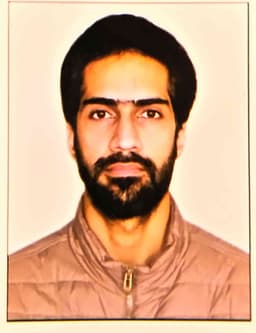
Hani Yousuf Naik
Oral and Maxillofacial Surgery
5 years and 6 months teaching experience
I have 5 years of experience as a teacher . In these years i realised that academics teaches the students basics of dentistry. The implications of clinical dentistry is in itself a vast subject and should be dealt with accordingly. The students must be given separate lectures regarding the same.

Minu Parvathi
Oral and maxillofacial surgeon
3yrs
As an MDS-qualified Oral & Maxillofacial Surgeon with clinical, research and academic presentation experience, I can deliver clear, clinically relevant and exam-oriented teaching. My experience in scientific presentations and my current role as a CANWIN programme speaker with AOMSI/IDA help me commu
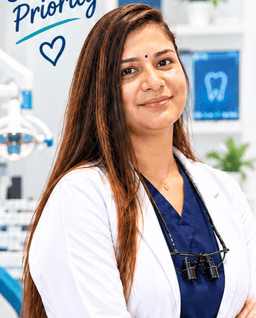
Tulica Mittal
Periodontology and oral implantology
7 years clinical practice experience and 1 year as a senior lecturer
major focus of the program is the understanding and application of different injection techniques. Topics may include infiltration anaesthesia, inferior alveolar nerve block, lingual nerve block, long buccal nerve block, mental nerve block, incisive nerve block, and regional anaesthetic techniques.
More faculty available • Scroll to view more
Questions & Answers
Enrolled students ask; the course faculty answer. Answered questions are shown here for everyone.
No answered questions yet.
Enrollment & Course Activation Policy
Classroom Courses
- Classroom Courses will commence within 2 weeks of successful registration.
- Course commencement is subject to faculty availability, and mutual confirmation between the student and the faculty.
Important Note
Prior Clinical Knowledge Required: Participants must already have adequate theoretical and clinical knowledge of the selected dental procedure. No lectures or basic teaching sessions will be provided. Patient-Based Training: The program is focused exclusively on hands-on work with suitable patients under the direct guidance and supervision of an MDS dentist. No Conventional Lectures: This is a clinical, patient-based training program, not a classroom theory course. Typodont Assessment Before Patient Work: Before working on patients, participants must demonstrate the required technique on a typodont. Three specified typodont cases must be completed accurately and satisfactorily. Approval Required: Only after demonstrating proper and precise work on the assigned typodont cases will the participant be permitted to perform the corresponding procedure on a patient. Limited Clinical Scope: Participants may work only on the procedures/topics specifically listed under the selected training program. Non-Surgical Procedures Only: Only permitted non-invasive/non-surgical dental procedures are allowed. Surgical procedures and procedures outside the approved scope are strictly prohibited. Bring Your Own Equipment: Participants must bring their own air rotor/handpiece and required PPE kit, along with any other personal instruments specified by the centre. Patient Safety Is the Highest Priority: Every procedure must be performed carefully and strictly according to the instructions of the supervising MDS dentist. Participants must not independently perform procedures beyond their demonstrated competence. Supervision Is Mandatory: All patient work will be carried out under direct MDS supervision and approval. Clinical Errors & Responsibility: Any negligent, unauthorised, or incorrect treatment performed on a patient may result in penalty and appropriate action as per the centre's clinical policy, with patient safety and professional accountability taking priority. It will be double the amount of course fees. Professional Decorum: Participants must maintain professional behaviour, clinical discipline, hygiene, punctuality, patient confidentiality, and proper clinic decorum throughout the training. No Independent Treatment: The program does not authorise participants to independently diagnose or treat patients beyond their qualification, competence, approved procedure list, and applicable regulations. Patient Consent & Case Suitability: Patient procedures will be undertaken only where the case is considered suitable and the necessary patient consent and supervisory approval have been obtained. Training Is Skill-Focused: The objective is to help dentists improve existing hands-on clinical skills and treatment precision, rather than teach dentistry from the basics.
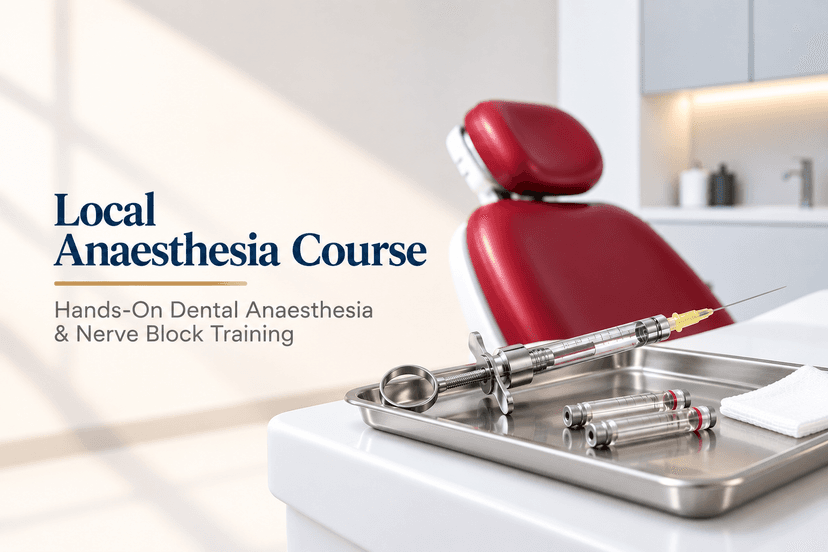
What's included
- Course Duration : 5 hours
- One-on-one mentoring sessions
- Certificate of completion
- Certified by Orikam, Neoendo, Eighteeth, Itena
- 1 month access to course materials
Common questions
What does the local anaesthesia course for dentists cover?
The local anaesthesia course for dentists covers IANB, infiltration, palatal injections, intraligamentary technique, vasoconstrictor management and managing anaesthesia failures on real patients. Every session involves direct, supervised work on real patients at MCDI's fully equipped clinical facility.
Who should attend a dental local anaesthesia training course?
This course is designed for dentists who want more predictable, comfortable anaesthesia for their patients. It is ideal for dentists who learn best through hands-on practice rather than online study alone.
Where is the local anaesthesia course for dentists conducted?
All sessions are held at MCDI's fully equipped dental clinical training facility.
Questions about this course? Get a call back
Leave your number and we'll call you back, or chat with us on WhatsApp.
Local Anaesthesia Course for Dentists | Hands-On Dental Anaesthesia & Nerve Block Training
₹8,999 (incl. GST) · instant access after payment · 1 month access
Refund policyRelated Courses
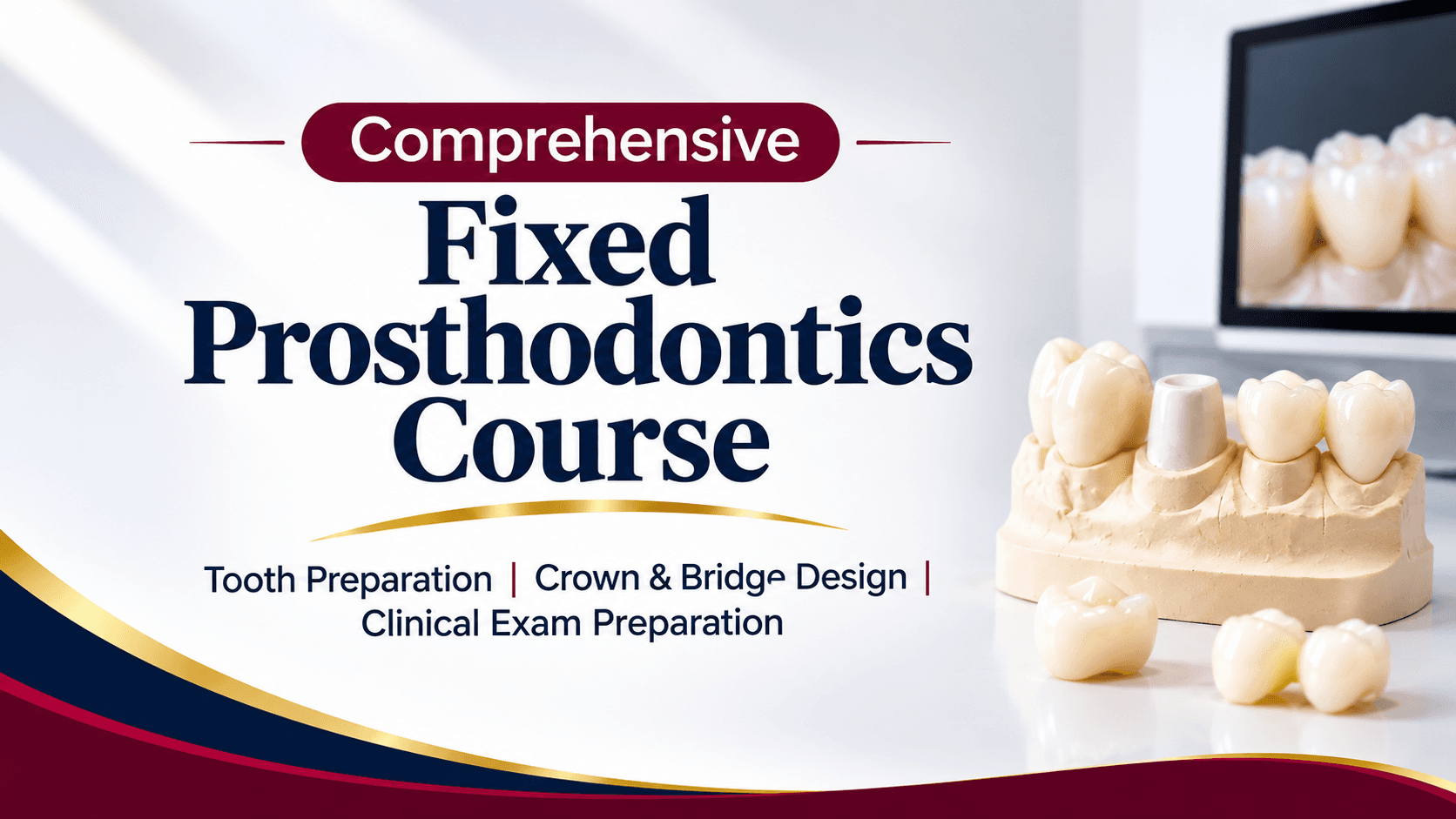
Fixed Prosthodontics Course | Hands-On Crown & Bridge and Tooth Preparation Training
Develop confident crown and bridge skills with MCDI's hands-on Fixed Prosthodontics Course — covering tooth preparation for all ceramic and metal-ceramic restorations, gingival retraction, impression techniques, temporisation, shade selection, and cementation protocols with real patient clinical sessions and expert faculty supervision.
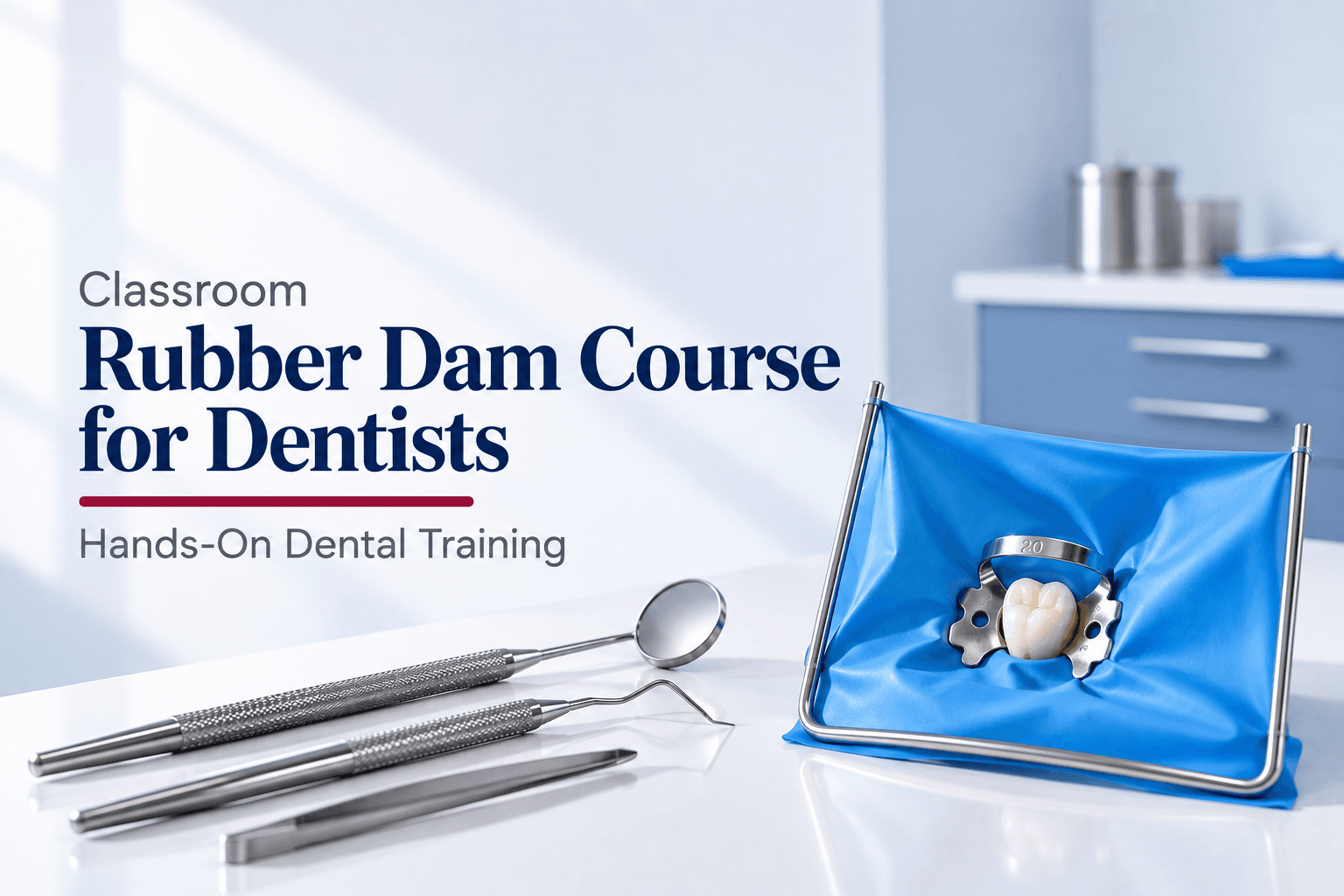
Rubber Dam Course for Dentists | Hands-On Rubber Dam Isolation Training
Hands-on Rubber Dam Course for Dentists. Master isolation, clamp selection & endodontic techniques at MCDI. Offline.
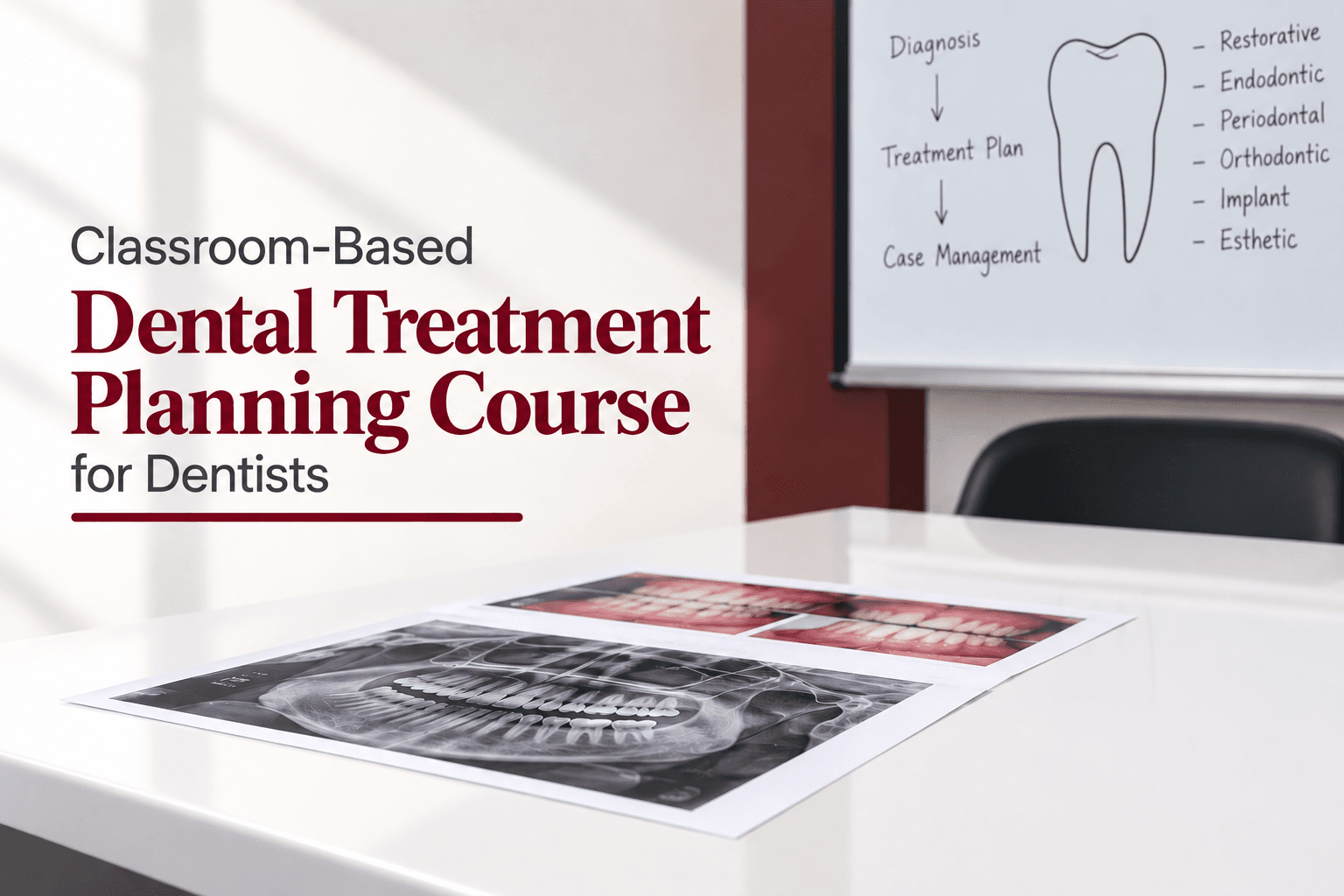
Classroom-Based Dental Treatment Planning Course for Dentists
Build systematic, confident treatment planning skills through case-based workshops, phased design, and real patient assessment sessions.