Basic Clinical Dentistry Course for Fresh BDS Graduates | Hands-On Training
Bridge the gap between dental college and real-world clinical practice with MCDI's 10-day Basic Clinical Dentistry Course for Fresh BDS Graduates — covering oral diagnosis, radiology, conservative dentistry, endodontics, fixed prosthodontics, removable partial dentures, periodontics, and oral surgery, with one supervised patient case per procedure.
Overview
Highlights of the Institute
- Expert-Led Dental Education by Experienced Faculty
- Hands-on Clinical Dental Training
- Live Patient Treatment Experience
- One-to-One Faculty Mentorship
- Evidence-Based Clinical Dentistry
- Chairside Clinical Demonstrations
- Advanced Dental Equipment & Armamentarium
- Modern Clinical Protocols & Techniques
- Step-by-Step Clinical Learning
- Comprehensive Clinical Case Discussions
- Individual Clinical Guidance
- Practical Skill Development
- Real-Time Treatment Planning
- Infection Control & Sterilization Training
- Digital Dentistry Exposure
- Clinical Documentation & Case Record Maintenance
- Interactive Doubt-Clearing Sessions
- Professional Practice Management Tips
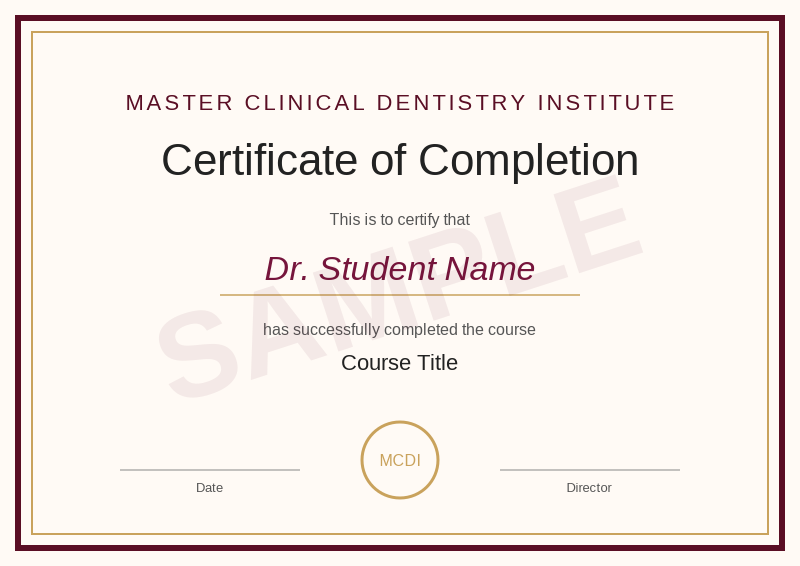
- Certificate of Completion
- Career-Oriented Dental Training
- Clinical Confidence Building
- Personalized Learning Environment
- Continuous Faculty Support Throughout the Course
Syllabus & Curriculum
9 modules · 177 lessons
- •History taking
- •Intraoral examination
- •Treatment planning
- •Radiographic interpretation
- •Extraoral examination
- •Soft tissue examination
- •Periodontal screening
- •Dental charting
- •Pulp vitality testing
- •Occlusal analysis
- •Differential diagnosis
- •Clinical documentation and record keeping
- •Composite restorations
- •Bonding protocols
- •Isolation techniques
- •Class I, II, III, IV, V cavities
- •Rubber dam isolation
- •Glass ionomer cement (GIC) and RMGIC fillings
- •Sandwich technique fillings
- •Different types of filling materials available in dentistry
- •Bulk-fill composites
- •Flowable composites
- •Dental bonding agents and adhesives
- •Liners, bases, and pulp protection materials
- •Selection of restorative materials according to clinical situations
- •Handling, manipulation, and clinical applications of dental materials
- •Latest dental materials and evidence-based protocols
- •Finishing and polishing systems
- •Direct and indirect restorative materials
- •Advantages and limitations of different filling materials
- •Basic endodontics
- •Endodontic anatomy
- •Pulp biology and Pulp pathology
- •Diagnosis of pulpal and Periapical diseases
- •Clinical examination and Treatment planning
- •Endodontic radiographic interpretation
- •Access cavity preparation
- •Principles of access opening
- •Conventional and Conservative access cavities
- •Access for anterior teeth
- •Access for premolars and molars
- •Working length determination
- •Electronic apex locator
- •Radiographic working length
- •Radiographic working length clinical tips and Errors
- •Biomechanical preparation
- •Hand instrumentation techniques
- •Rotary endodontics
- •NiTi Rotary systems
- •Glide path preparation
- •Irrigation protocols
- •Obturation techniques
- •Lateral condensation
- •Single cone technique
- •Warm vertical compaction
- •Sealers and Obturation materials
- •Single sitting root canal Tteatment
- •Indications and Contraindications
- •Clinical protocols
- •Case selection
- •Management of endodontic emergencies
- •Acute pulpitis
- •Periapical abscess
- •Flare-ups and Pain management
- •Principles of fixed prosthodontics
- •Tooth preparation for crowns and bridges
- •Full metal crowns
- •PFM Crowns
- •Zirconia crowns
- •All-Ceramic crowns
- •Veneers and Laminates
- •Shade selection and esthetics
- •Impression techniques
- •Gingival retraction techniques
- •Impression materials and Their applications
- •Single-step and Two-step putty wash techniques
- •Digital impression concepts
- •Bite registration
- •Provisional restorations
- •Fabrication of temporary crowns
- •Provisional materials
- •Cementation techniques
- •Cementation protocols
- •Luting cements
- •Adhesive cementation
- •Crown and Bridge cementation protocols
- •Periodontal Diagnosis and Treatment Planning
- •Clinical Examination and Diagnosis
- •Periodontal Charting and Probing
- •Radiographic Interpretation
- • Prognosis of Periodontally Compromised Teeth
- •Non-Surgical Periodontal Therapy
- •Oral Prophylaxis
- •Teeth Scaling
- •Root planing
- •Deep Cleaning Procedures
- •Ultrasonic Scaling Techniques
- •Root Surface Debridement
- •Oral Hygiene Instructions and Maintenance
- •Curettage
- •Management of Gingival Diseases
- •Gingivitis
- •Bleeding Gums
- •Halitosis Management
- •Local anesthesia techniques
- •Principles of Local Anesthesia
- •Maxillary and Mandibular Nerve Blocks
- •Infiltration Techniques
- •Inferior Alveolar Nerve Block
- •Complications and Their Management
- •Exodontia and Tooth Extraction
- •Principles of Tooth Extraction
- •Extraction Instruments and Armamentarium
- •Forceps and Elevator Techniques
- •Simple Tooth Extractions
- •Suturing Techniques
- •Principles of Suturing
- •Suture Materials
- •Interrupted and Continuous Sutures
- •Knot-Tying Techniques
- •Wound Healing Principles
- •Pain management
- •Dental abscess
- •Trauma management
- •Swelling and infections
- •Acute pulpitis management
- •Periapical abscess drainage
- •Cellulitis and spreading infections
- •Post-extraction complications
- •Dry socket management
- •Fractured instruments and file separation
- •Haemorrhage control and bleeding management
- •Dental trauma – avulsion and luxation
- •Crown and bridge emergencies
- •Temporomandibular joint (TMJ) emergencies
- •Medical emergencies in the dental chair
- •Anaphylaxis and allergic reactions
- •Syncope and vasovagal episodes
- •Drug interactions and adverse reactions
- •Case presentation
- •Consent forms
- •Communication skills
- •Patient communication and rapport building
- •Informed consent and documentation
- •Dental records and clinical notes
- •Appointment scheduling and recall systems
- •Fee presentation and financial discussion
- •Handling patient complaints and refusals
- •Infection control protocols in practice
- •Clinic setup and instrument management
- •Prescriptions – drugs, antibiotics and analgesics
- •Referrals and interdisciplinary coordination
- •Legal and ethical responsibilities of a dentist
- •Digital tools – practice management software
- •Oral examination and diagnosis
- •Composite restorations - 5 teeth
- •Putty Impression making - 2 cases
- •Root canal treatment procedures - 3 teeth
- •Access Opening on Extracted Teeth and Patients
- •Working Length Determination
- •Rotary Instrumentation
- •Irrigation Protocols
- •Obturation Techniques
- •Single Sitting Root Canal Treatment
- •Restoration of Endodontically Treated Teeth
- •Treatment planning - 5 cases
- •Crown Preparation on Patients - 3 teeth
- •Impression Making and Retraction Techniques
- •Temporary Crown Fabrication
- •Cementation Procedures
- •Clinical Photography and Shade Selection
- •Ultrasonic Scaling and Polishing - 3 cases
- •Periodontal Charting
- •Suturing Techniques - 1 case
- •Curettage - 3 teeth
- •Administration of Local Anesthesia
- •Simple Tooth Extractions - 2 teeth
Schedule
- Duration: 10 days
- Mode: Offline
- Language: English
- Subtitles: None
- Access: 1 month access
Certification
Certificate of completion issued by Master Clinical Dentistry Institute
Certified by Itena, Eighteeth, Orikam, NeoEndo
Course Rules
- Submit all required documents before the commencement of the course.
- Course will begin only after document verification and full fee payment.
- Maintain punctuality for all lectures, demonstrations, and clinical sessions.
- Students are responsible for the safety and maintenance of their own instruments.
- Any damage to institute equipment, instruments, materials, furniture, or property must be borne by the student.
- Students must follow all faculty instructions during practical and clinical sessions.
- No clinical procedure should be performed without faculty supervision.
- Any injury, complication, or damage caused to a patient due to student negligence shall be the sole responsibility of the student.
- All medical expenses, compensation, or legal liabilities arising from student negligence shall be borne by the student.
- Wear a clean apron/lab coat and appropriate PPE during clinical sessions.
- Maintain professional behaviour with patients, faculty, staff, and fellow participants.
- Photography, videography, or recording of lectures, patients, or clinical procedures is prohibited without prior permission.
- Mobile phones should remain on silent mode during classes and clinical sessions.
- Maintain cleanliness and infection control protocols at all times.
- Smoking, alcohol consumption, or use of tobacco products is strictly prohibited within the institute premises.
- Certificates will be issued only after successful completion of the course and fulfillment of attendance requirements.
- Course fees are non-refundable and non-transferable.
- Master Clinical Dentistry Institute reserves the right to modify course schedules, faculty, or training modules whenever required.
- The course will commence within two weeks of successful fee payment and document verification.
- Bring your own Air Rotor Handpiece for the course.
- Maintain complete patient records and clinical files after every patient treated during the course.
- The institute reserves the right to photograph or video record students, patients, lectures, demonstrations, and clinical training sessions for academic documentation, quality assurance, promotional, and record-keeping purposes.
- If you have any doubts, concerns, or grievances during the course, you may contact the Head of the Institute for assistance.
Who Should Join This Course?
- BDS Graduates & Dental Interns Seeking Comprehensive Clinical Training
- Newly Graduated Dentists Looking to Build Broad Clinical Skills
- General Dental Practitioners Wanting to Upgrade Across Multiple Specialities
- Dental Interns Seeking Structured Supervised Patient Practice
- Dentists Looking to Build Confidence in Day-to-Day Clinical Procedures
- Fresh BDS Graduates Preparing to Start Independent Dental Practice
- Dentists Returning to Practice After a Career Break
- Dentists Wanting Personalised Mentoring in Areas of Clinical Need
- International & NRI Dentists Seeking India-Based Clinical Training
- MDS Aspirants Building a Strong Clinical Foundation
Prerequisites
- BDS degree or equivalent dental qualification from a recognised dental college
- Valid registration with the Dental Council of India or State Dental Council
- Interest in hands-on clinical training; prior clinical exposure is an advantage
Highlights of the Course
Meet Your Faculty

ADHITHYA N
Periodontology
8 yrs, clinical practice, 3 years academic experience
I can teach clinical examination, diagnosis and treatment planning, scaling, restorations, root canal treatment, extractions, crown preparations, basic periodontal procedures and implant fundamentals, integrating evidence-based theory, clinical demonstrations and hands-on training.
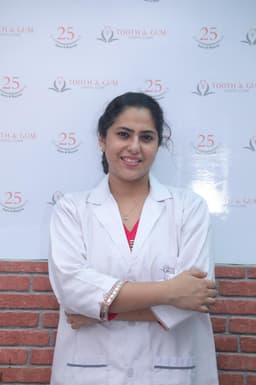
Shoomali hassan
Oral and Maxillofacial Pathology and Oral Microbiology
6 years
First always theory will follow practicals, Focus on modern dentistry cavity preparation - for composite, for GIC and go for minimally invasive restorative dentistry. Material selection and impression taking. LA administration & complication management, Basic scaling. Extractions.

Dr.Krutika Bidkar
Periodontology
8 years Clinical Practice 5 years as medical researcher and writer
Learn the fundamentals of dental examination, diagnosis, treatment planning, infection control, periodontal assessment, and preventive dentistry. Build a strong clinical foundation through practical demonstrations, case discussions, and evidence-based approaches to safe, ethical patient care.
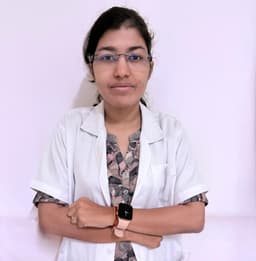
Minakshi Agrawal
Periodontology
2
Clinical examination & diagnosis, Periodontal procedures: Gingival examination, periodontal probing, scaling, root planing, ultrasonic instrumentation and periodontal maintenance. Local anaesthesia: Basic principles, injection techniques, patient preparation and management of common complications.
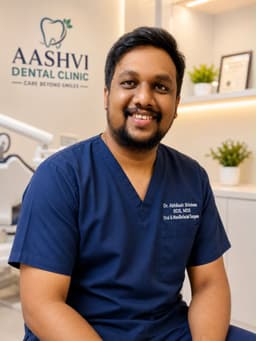
ABHILASH SRINIVASA
Oral and Maxillofacial Surgery
10 years of clinical practice, 5 years of surgical practice
I can position it as a transition program from BDS graduate to confident general dental practitioner. As clinical practice is more of a skill than theory. Fresh graduates lack the necessary skills to do procedures with ease, i can help them built their confidence since i have my own practice.
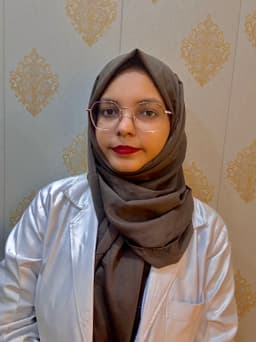
Tasneem Fatima
Periodontist
3 years teaching approx
The course covers patient history taking, comprehensive clinical examination, diagnosis, treatment planning, infection control, sterilization protocols, dental instruments, ergonomics, and effective patient communication. Participants learn the fundamentals of restorative dentistry, dental caries
More faculty available • Scroll to view more
Questions & Answers
Enrolled students ask; the course faculty answer. Answered questions are shown here for everyone.
No answered questions yet.
Enrollment & Course Activation Policy
Live Classroom Course
- Live Classroom Courses will commence within 2 weeks of successful registration.
- Course commencement is subject to faculty availability, and mutual confirmation between the student and the faculty.
Important Note
1. Registration & Payment Complete the online course registration and pay the applicable course fee. The course will commence approximately 2 weeks after successful registration and fee payment. Course access and joining details will be shared with registered participants. 2. Expert Faculty Lectures Lectures will be conducted by experienced dental faculty members from India. Sessions will focus on structured, practical, and clinically relevant dental education. Participants are expected to attend the lectures punctually. 3. Digital Notes Soft-copy study notes will be provided after each lecture. Notes will be password protected and intended strictly for the registered participant's educational use. Passwords/access details must not be shared, forwarded, or distributed to others. Course Process Registration → Fee Payment → Course Starts After 2 Weeks → Live Expert Lectures → Soft-Copy Notes After Each Lecture → Patient Work → Q&A/Discussion → Course Completion → Certificate
What's included
- Course Duration : 10 days
- One-on-one mentoring sessions
- Certificate of completion
- Certified by Itena, Eighteeth, Orikam, NeoEndo
- 1 month access to course materials
Common questions
What does the basic clinical dentistry course for fresh BDS graduates cover?
The basic clinical dentistry course for fresh BDS graduates covers oral diagnosis, radiographic interpretation, conservative dentistry, root canal treatment, fixed prosthodontics, removable partial dentures, periodontics and oral surgery, with one supervised patient case per procedure. Every session involves direct, supervised work on real patients at MCDI's fully equipped clinical facility.
Who should attend a clinical dentistry course for fresh BDS graduates?
This course is designed for fresh BDS graduates who have never managed an independent patient and need to bridge the gap between college training and real-world practice. It is ideal for dentists who learn best through hands-on practice rather than online study alone.
Where is the basic clinical dentistry course for fresh BDS graduates conducted?
All sessions are held at MCDI's fully equipped dental clinical training facility.
Questions about this course? Get a call back
Leave your number and we'll call you back, or chat with us on WhatsApp.
Basic Clinical Dentistry Course for Fresh BDS Graduates | Hands-On Training
₹69,999 (incl. GST) · instant access after payment · 1 month access
Refund policyRelated Courses
Fixed Prosthodontics Course | Hands-On Crown & Bridge and Tooth Preparation Training
Develop confident crown and bridge skills with MCDI's hands-on Fixed Prosthodontics Course — covering tooth preparation for all ceramic and metal-ceramic restorations, gingival retraction, impression techniques, temporisation, shade selection, and cementation protocols with real patient clinical sessions and expert faculty supervision.
Rubber Dam Course for Dentists | Hands-On Rubber Dam Isolation Training
Hands-on Rubber Dam Course for Dentists. Master isolation, clamp selection & endodontic techniques at MCDI. Offline.
Classroom-Based Dental Treatment Planning Course for Dentists
Build systematic, confident treatment planning skills through case-based workshops, phased design, and real patient assessment sessions.